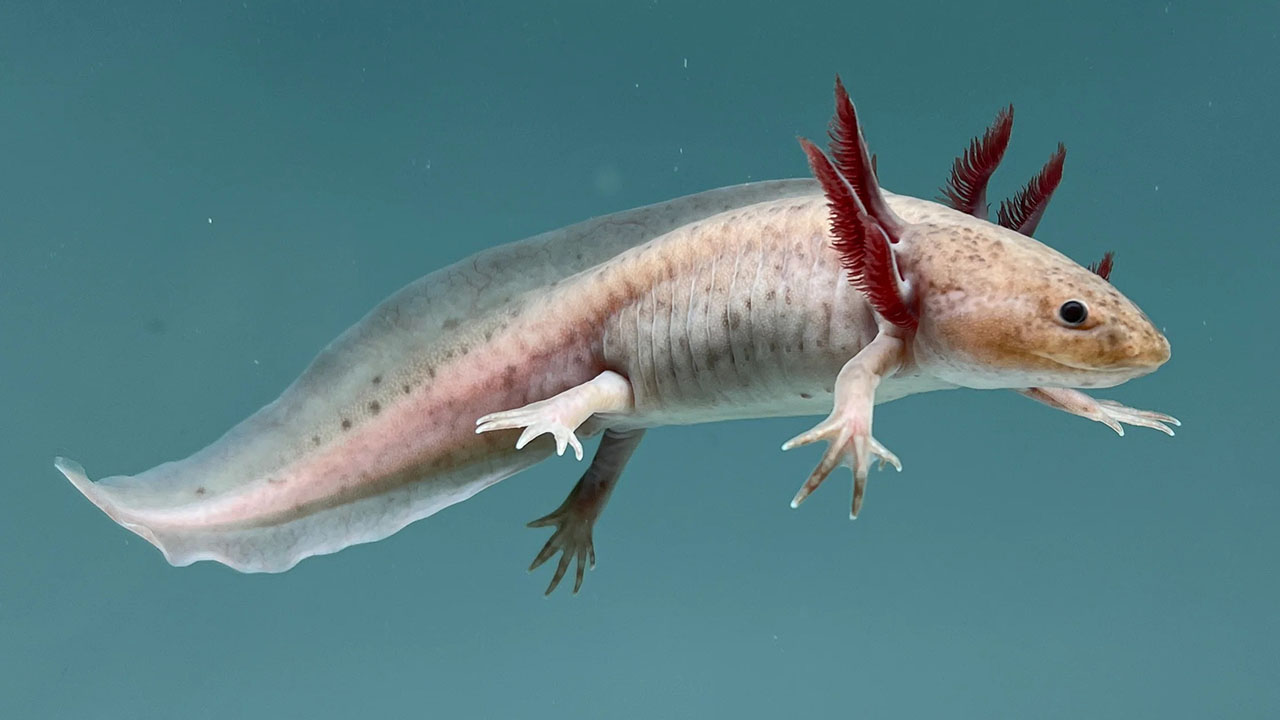
Axolotls, the unique amphibians known for their regenerative abilities, are popular pets among amphibian enthusiasts. However, like all pets, they can experience health issues, one of which includes the development of white spots on their skin. In this article, we will explore the potential causes of white spots on axolotls and provide insights into the treatment and prevention of white spots in axolotls.
Understanding Axolotls
Before delving into the specifics of white spots, it’s important to understand axolotls’ basic biology and care requirements. Native to Mexico, these amphibians are fully aquatic and possess fascinating regenerative capabilities. They require specific water conditions, including a cool temperature range (16-18°C or 60-64°F), clean water with balanced pH levels, and a well-maintained environment.
Common Causes of White Spots on Axolotls
I’m wondering why your axolotl has white spots. It’s probably fungus. When an axolotl develops white spots, it’s a sign that something is amiss. It’s important to clarify that the fungus commonly seen in axolotls is distinct from ich, a condition found in fish.

Ichthyophthirius multifiliis, known as ich or white spot disease, is a fish-specific ailment. While some might speculate that axolotls could potentially contract ich, it’s highly unlikely. Ich manifests as small white spots, whereas the fungal infection in axolotls, known as Chondrococcus columnaris or Columnaris, is characterized by larger, cotton-like spots, indicating a different condition altogether.
How do I know axolotl has Columnaris? Here are some of the common causes of white spots on axolotls:
Fungal Infections
Fungal infections are a frequent culprit behind white spots. These appear as cotton-like patches and are often due to poor water quality or stress. A fungus named Saprolegnia is typically responsible.
Bacterial Infections
Bacterial infections can also manifest as white spots, sometimes accompanied by redness or inflammation. These infections may arise from unsanitary tank conditions.
Physical Injury or Irritation
White spots can result from cuts, abrasions, or irritation. This could be due to rough handling, sharp objects in the tank, or aggressive behavior from tank mates.
Water Quality Issues
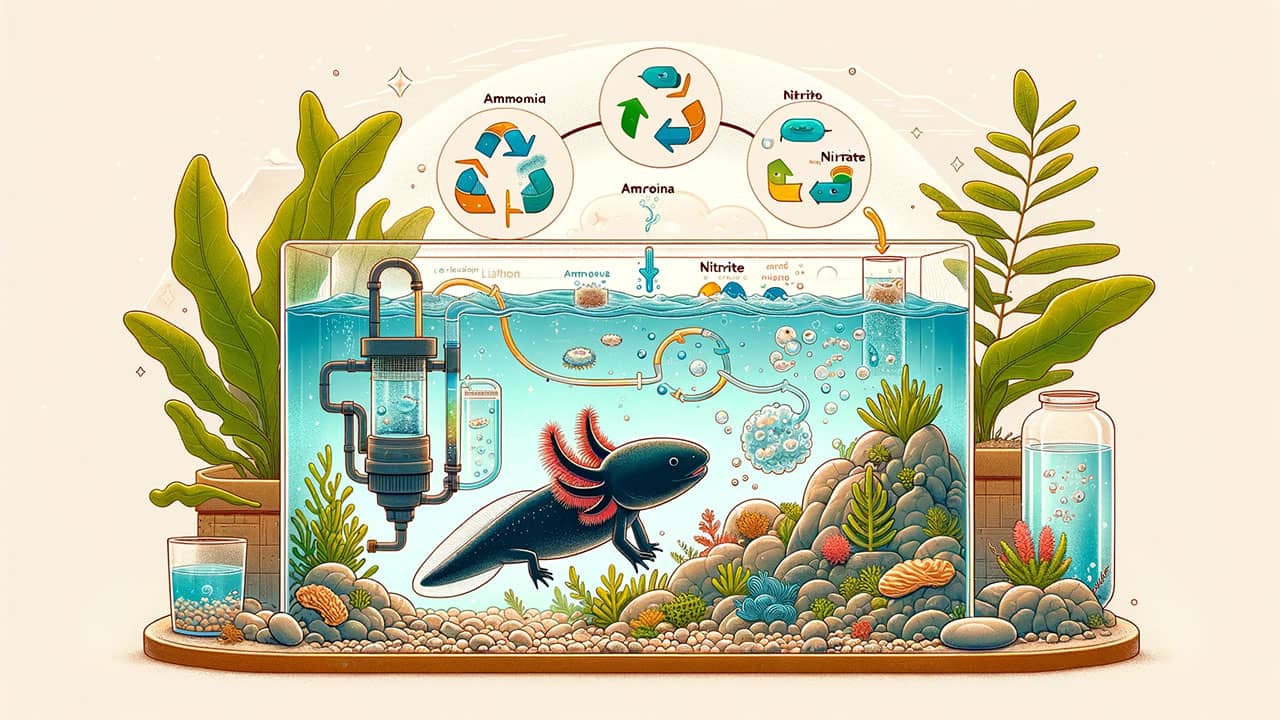
Axolotls are sensitive to changes in water quality. High levels of ammonia, nitrites, or nitrates can lead to stress, affecting their skin health and potentially causing white spots.
Parasitic Infections
Parasites, though less common, can lead to white spots or changes in the axolotl’s skin texture.
Natural Pigmentation
In some axolotls, especially certain color morphs, white spots might be part of their natural pigmentation.
Diagnosis and Treatment of White Spots on Axolotls
Identifying the exact cause of the white spots is crucial for effective treatment. Here’s a breakdown of how to approach each scenario:
If a fungal infection is suspected, improving water quality is the first step. Antifungal treatments specifically safe for axolotls can be used. Quarantining the affected axolotl during treatment is advisable.
For bacterial infections, a vet may prescribe antibiotics. As with fungal infections, improving the tank conditions is crucial.
If the white spots are due to physical injury, ensuring the tank environment is safe and stress-free is essential. Remove any sharp decorations and provide a peaceful atmosphere.
Regularly testing and maintaining the water quality is fundamental in preventing and addressing white spots. Regular water changes and a good filtration system are key.
Treatment for parasites will depend on the specific type and should be guided by a veterinarian.
If the white spots are part of the axolotl’s natural coloration, no treatment is necessary.
Preventive Measures for White Spots on Axolotls
Prevention is always better than cure. Here are some steps to prevent the occurrence of white spots:
- Maintain Water Quality: Regular monitoring and maintenance of the tank’s water quality are essential.
- Proper Tank Setup: Ensure the tank is properly set up with the right substrate and decorations that won’t harm your axolotl.
- Regular Health Checks: Keep an eye on your axolotl’s behavior and appearance. Early detection of any changes can make treatment more effective.
- Quarantine New Additions: Always quarantine new axolotls or tank mates to prevent the spread of diseases.
- Balanced Diet: Providing a balanced diet ensures your axolotl stays healthy and has a strong immune system.
Consulting a Veterinarian
Whenever you’re in doubt or if the condition of your axolotl doesn’t improve, consulting a veterinarian who specializes in exotic pets, particularly those experienced with amphibians, is crucial.
Conclusion
The appearance of white spots on an axolotl can be concerning, but understanding the potential causes and appropriate responses can help ensure the health and well-being of these fascinating creatures. By maintaining excellent water quality, providing a safe and stress-free environment, and being vigilant about their health, axolotl owners can prevent many of the issues associated with white spots. Remember, when in doubt, the expertise of a specialized veterinarian is invaluable.
This comprehensive guide aims to provide axolotl owners with the knowledge and tools to effectively care for their pets, especially when facing common health issues like white spots.