Swim Bladder Disease (SBD) is a prevalent condition affecting goldfish, characterized by buoyancy issues that impede their ability to swim normally. Understanding the intricacies of this ailment is crucial for timely intervention and ensuring the well-being of your aquatic companions.
Table of Contents
What is the Swim Bladder in Fish?
Before we get into Swim Bladder Disease, let’s understand what the swim bladder actually is. Also known as the gas bladder, air bladder, or fish maw, it is a gas-filled internal organ that helps fish maintain their buoyancy. This means fish can hover mid-water without sinking or floating uncontrollably, saving energy otherwise spent swimming.
Anatomy of the Swim Bladder

The swim bladder has two sections:
- Anterior chamber: Toward the head, encased in thick tissue
- Posterior chamber: Toward the tail, thinner-walled and more flexible in size
These two chambers are connected by a duct. Changes in gas volume or displacement within the swim bladder can drastically affect buoyancy. Interestingly, human lungs and fish swim bladders are evolutionarily related — scientists believe lungs evolved from primitive swim bladders.
Swim bladders also help in sound production and detection, as they strongly reflect sonar, making them useful for fish-finding technologies.
What is Swim Bladder Disease (SBD)?

Swim Bladder Disease (sometimes called “flipover”) is a condition where a fish’s ability to control its buoyancy is impaired. It’s especially common in goldfish due to their unique body shapes and digestive tract layout.
Goldfish are “physostomous” fish, meaning they have a duct between their esophagus and swim bladder. They regulate buoyancy by gulping or releasing air through this duct. When things go wrong, fish either:
- Float uncontrollably (positive buoyancy)
- Sink to the bottom (negative buoyancy)
Also Read: Goldfish Ich Disease (White Spot): Symptoms, Treatment, and Prevention
Symptoms of Swim Bladder Disease in Goldfish
Identifying Swim Bladder Disease (SBD) involves observing the following signs:
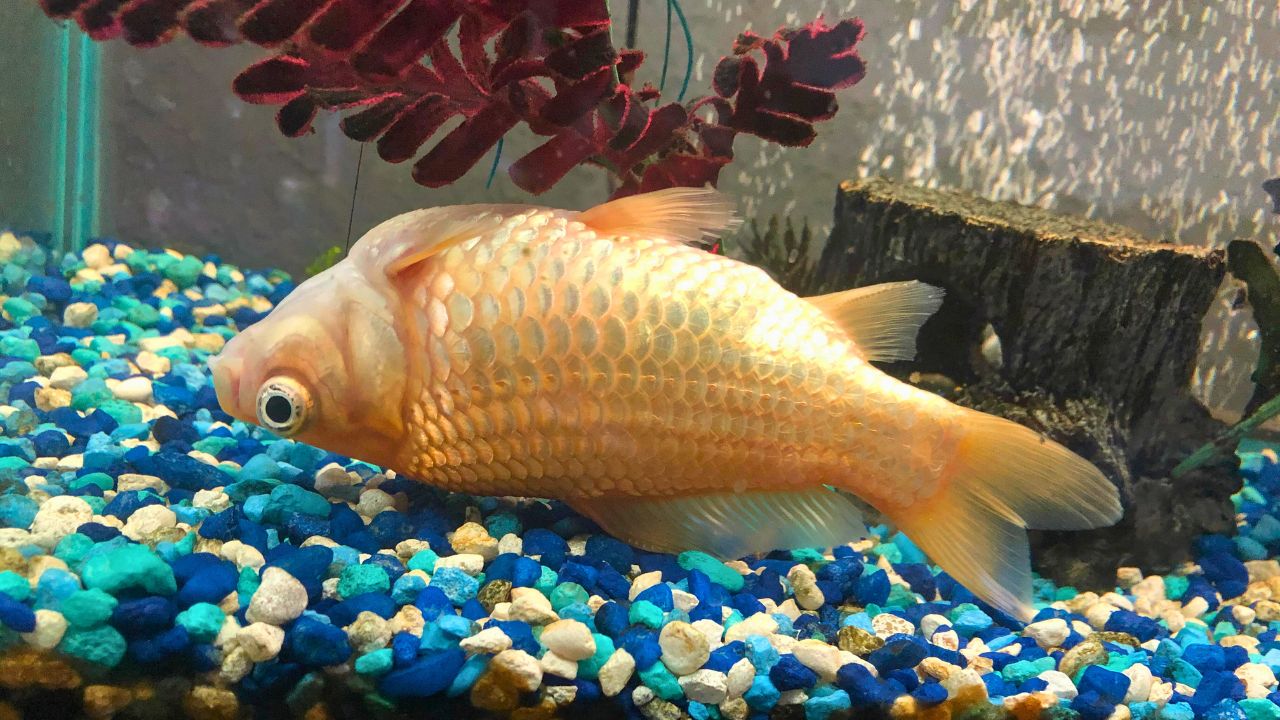
- Abnormal Swimming Patterns: Floating upside down, sinking to the bottom, or swimming sideways.
- Difficulty Maintaining Position: Struggling to stay upright or at a certain depth.
- Distended Abdomen: Visible bloating, often due to constipation or gas buildup.
- Curved Spine: A result of prolonged buoyancy issues affecting posture.
- Lethargy: Reduced activity levels and lack of responsiveness.
- Loss of Appetite: Reluctance or inability to feed normally.
Causes of Swim Bladder Disease in Goldfish
Several factors can lead to Swim Bladder Disorder:
- Dietary Issues: Overfeeding, ingestion of air while consuming floating foods, or a diet lacking in fiber can cause gastrointestinal blockages, exerting pressure on the swim bladder.
- Constipation: A common result of improper diet, leading to bloating and buoyancy problems.
- Infections: Bacterial infections can inflame the swim bladder or surrounding tissues, disrupting its function.
- Physical Trauma: Injuries from handling or collisions can damage the swim bladder.
- Genetic Factors: Certain goldfish breeds are more susceptible due to their body shape and internal organ arrangement.
- Environmental Stressors: Poor water quality, sudden temperature changes, and high nitrate levels can contribute to SBD.
- Mass Effects: Tumors or cysts near the swim bladder may cause displacement
Diagnosing Swim Bladder Disease in Goldfish
Diagnosis primarily relies on symptom observation. However, for a definitive assessment, especially in persistent cases, consulting an aquatic veterinarian is advisable. Diagnostic methods may include:
- Physical Examination: Assessing the fish’s behavior and physical condition.
- Imaging Techniques: X-rays or ultrasounds to visualize the swim bladder and detect abnormalities.
- Water Quality Testing: Analyzing parameters like ammonia, nitrite, nitrate, and pH levels to identify environmental causes.
How to Treat Swim Bladder Disease in Goldfish
Treatment depends on identifying the root cause. Here’s a multi-step, expert-backed treatment strategy:
1. Diet Fix & Constipation Relief
- Fasting: Refrain from feeding for 24-48 hours to allow the digestive system to clear.
- Feeding Shelled Peas: Offer cooked, deshelled peas to alleviate constipation due to their high fiber content.
- Switch to Sinking Foods: Prevent air ingestion by providing sinking pellets or gel-based diets.
2. Test & Correct Water Quality
- Regular Water Changes: Maintain optimal water conditions by performing partial water changes.
- Monitor Parameters: Keep ammonia, nitrite, and nitrate levels within safe ranges. Use test kits to check:
- Ammonia: 0 ppm
- Nitrite: 0 ppm
- Nitrate: < 20 ppm
- pH: 6.8–7.8
- Temperature: Stable at 22–24°C (72–75°F)
3. Veterinary Diagnostics
If symptoms persist:
- X-rays (Radiographs): Show if there’s gas imbalance, rupture, or tumors
- Ultrasound: Detects fluid in the bladder and guides aspiration if needed
4. Medical Procedures
Depending on whether it’s positive or negative buoyancy:
- Positive Buoyancy:
- Veterinarian can aspirate gas from the swim bladder using a syringe
- Negative Buoyancy:
- Vet may sample the swim bladder fluid to test for infection
- If bacterial, antibiotics are prescribed
- If not bacterial, antibiotics should be avoided
5. Buoyancy Aids & Surgery
In rare cases:
- A sling or harness can keep the fish off the tank bottom
- Surgical implantation of a float helps restore balance (used in professional cases)
6. Temperature Regulation
- Maintain Stable Temperatures: Ensure the water temperature remains consistent, ideally between 22°C to 24°C (72°F to 75°F), to support digestion and reduce stress.
Preventing Swim Bladder Disease
Prevention is easier and more cost-effective than treatment. Implementing the following practices can minimize the risk of Swim Bladder Disease:
- Balanced Diet: Provide a varied diet rich in fiber and avoid overfeeding.
- Proper Feeding Techniques: Use sinking foods to prevent air ingestion.
- Regular Tank Maintenance: Keep the aquarium clean and monitor water quality parameters consistently.
- Avoid Sudden Environmental Changes: Introduce changes gradually to prevent stress.
- Selective Breeding: Choose breeding stock with fewer anatomical predispositions to SBD.
Frequently Asked Questions (FAQs)
Can swim bladder disease be cured?
Yes, especially if addressed early. Treatment success depends on the underlying cause and timely intervention.
Is swim bladder disease contagious?
No, Swim Bladder Disease (SBD) is not contagious. However, isolating affected fish can prevent stress and allow for targeted treatment.
How long does recovery take?
Recovery time varies. Some fish improve within days, while others may take weeks, depending on severity and treatment efficacy.
Should I euthanize a fish with chronic SBD?
Not necessarily. Many fish adapt to buoyancy issues and can lead quality lives with proper care and accommodations.
Can I prevent SBD in fancy goldfish breeds?
While fancy breeds are more susceptible, preventive measures like proper diet and tank maintenance can significantly reduce risks.
Conclusion
Swim Bladder Disease is one of the most common but misunderstood conditions in goldfish care. While scary at first, it’s often manageable — especially when caught early and addressed with the right steps. From diet fixes and water care to advanced diagnostics, a variety of solutions exist.
If your fish shows persistent symptoms or deteriorates, don’t hesitate to consult a qualified aquatic veterinarian.