Rabbits are known for their unique dietary needs, which raises the question: Can rabbits eat crackers? This blog post explores whether rabbits can eat crackers and the suitability of crackers in a rabbit’s diet, considering their nutritional requirements and health implications.
Table of Contents
What Do Rabbits Normally Eat?
Rabbits thrive on a diet primarily composed of hay, fresh vegetables, and limited fruits. Hay, particularly Timothy, orchard, or meadow hay, is essential for their digestive health and dental care. Additionally, a small quantity of high-quality rabbit pellets provides a balanced mix of nutrients.
Can Rabbits Eat Crackers?
Rabbits should not eat crackers. Crackers, a common snack for humans, are made from grains and often contain high levels of carbohydrates, added salt, sugar, and fats, none of which are beneficial for rabbit’s digestive system. While they may seem harmless, their nutritional content is not aligned with what is optimal for a rabbit’s health. Rabbits require a diet high in fiber, primarily from hay, and a small proportion of fresh vegetables and specialized rabbit pellets.
Feeding crackers can lead to health issues like obesity, digestive disorders, and dental problems. It’s always best to stick to a diet that meets the nutritional needs of rabbits, focusing on high-fiber, low-sugar, and low-fat options.
Regarding the question of whether rabbits can consume crackers, the answer is that while rabbits can technically eat crackers, it should only be in very limited amounts and on rare occasions. Small crackers might be considered a treat, but larger amounts are not recommended. Excessive consumption of crackers can lead to potential choking hazards or cause gastrointestinal issues in rabbits. If moderation in feeding crackers to your rabbit is challenging, it’s safer to avoid giving them altogether.
Let’s explore the various types of crackers and their impact on rabbit health to provide a clearer understanding. Below are the different types of crackers:
- Saltine Crackers
- Ritz Crackers
- Graham crackers
- Goldfish Crackers
- Animal Crackers
Can Rabbits Eat Saltine Crackers?
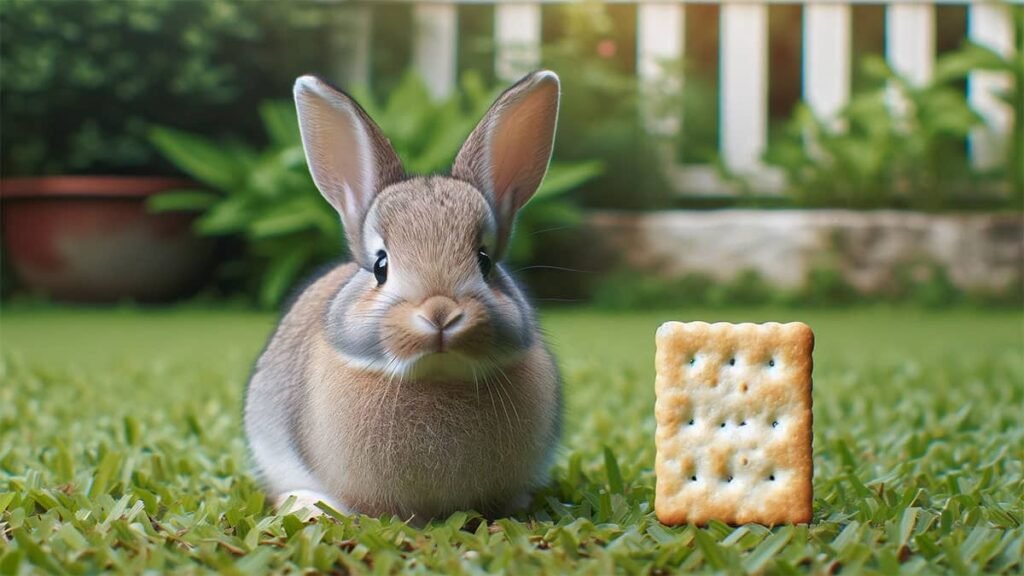
Rabbits should not eat saltine crackers (soda crackers). Saltine crackers, like most human snack foods, are not suitable for rabbits due to their high salt content and lack of nutritional value for a rabbit’s diet. Rabbits need a diet high in fiber, primarily from hay, along with fresh vegetables and a limited amount of fruits. Saltine crackers contain refined flour and salt, which can lead to health issues in rabbits, such as digestive problems, obesity, and an imbalance in their delicate gut flora. Additionally, the salt in these crackers can contribute to dehydration and urinary tract problems. Sticking to rabbit-safe foods is always best to ensure their health and well-being.
Feeding saltine crackers to rabbits can have several negative effects, primarily due to their unsuitable nutritional content for a rabbit’s diet. Here are some potential impacts:
- Digestive Issues: Rabbits have sensitive digestive systems that require a diet high in fiber, primarily from hay. Saltine crackers are low in fiber and high in carbohydrates, which can disrupt their digestive process, leading to gastrointestinal stasis, a serious condition that can be life-threatening.
- Obesity and Weight Gain: Due to their high carbohydrate and fat content, saltine crackers can contribute to unhealthy weight gain and obesity in rabbits. Obesity in rabbits can lead to a host of health issues, including heart disease, joint problems, and a decreased lifespan.
- Dental Problems: Rabbits’ teeth are adapted for chewing fibrous plant material. Saltine crackers’ soft, processed nature does not provide the necessary resistance for proper dental wear, which can lead to dental issues.
- Salt Toxicity: Saltine crackers contain a significant amount of salt. High salt intake in rabbits can lead to salt toxicity, characterized by increased thirst and urination, kidney damage, and, in severe cases, neurological symptoms.
- Nutritional Imbalance: Feeding crackers can lead to a nutritional imbalance. Rabbits need a diet consisting of specific nutrients that crackers do not provide, and overfeeding crackers can lead to a deficiency in essential nutrients.
- Choking Hazard: The texture of saltine crackers can pose a choking hazard, especially if the rabbit tries to eat them quickly or if the crackers are not chewed properly.
Given these risks, it’s advisable to avoid feeding saltine crackers to rabbits altogether and stick to a diet that meets their specific dietary needs.
Can Rabbits Eat Ritz Crackers?
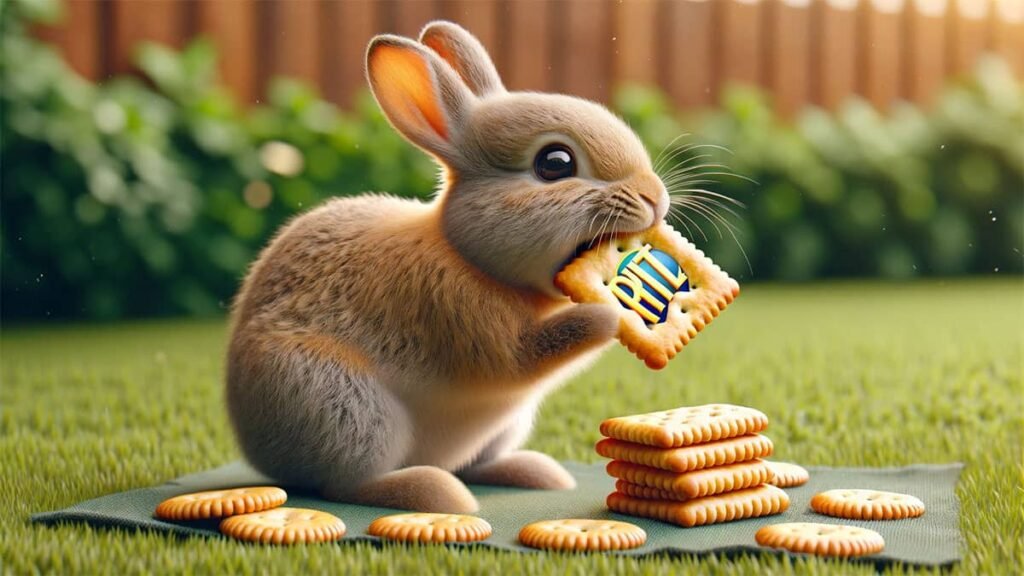
Rabbits should not eat Ritz crackers, as these snacks are unsuitable for their dietary needs. Rabbits should not eat Ritz crackers or similar processed snack foods. Ritz crackers, while not toxic, are not suitable for rabbits due to several reasons:
- High Fat and Salt Content: Ritz crackers contain high levels of fats and salt, which are harmful to rabbits. Excessive salt can lead to dehydration and urinary tract issues, while high fat can cause obesity and related health problems.
- Low Fiber: Rabbits require a high-fiber diet for proper digestion. Ritz crackers offer minimal fiber, which can disrupt the rabbit’s digestive system and lead to gastrointestinal issues.
- Added Sugars and Chemicals: Processed foods like Ritz crackers often contain added sugars and chemical preservatives, neither of which are beneficial for rabbits. Sugar can lead to dental problems and obesity, while preservatives and artificial ingredients can be harmful to their delicate digestive systems.
- Nutritional Imbalance: Feeding rabbits human snack foods can lead to a nutritional imbalance. Rabbits need a diet mainly consisting of hay, fresh vegetables, and a limited amount of fruits, which provides the necessary nutrients for their health.
In summary, while a small bit of a Ritz cracker is unlikely to cause immediate harm, it’s not recommended as part of a rabbit’s diet. Sticking to foods that meet their nutritional needs and avoiding processed human snacks is best.
Can Rabbits Eat Graham Crackers?
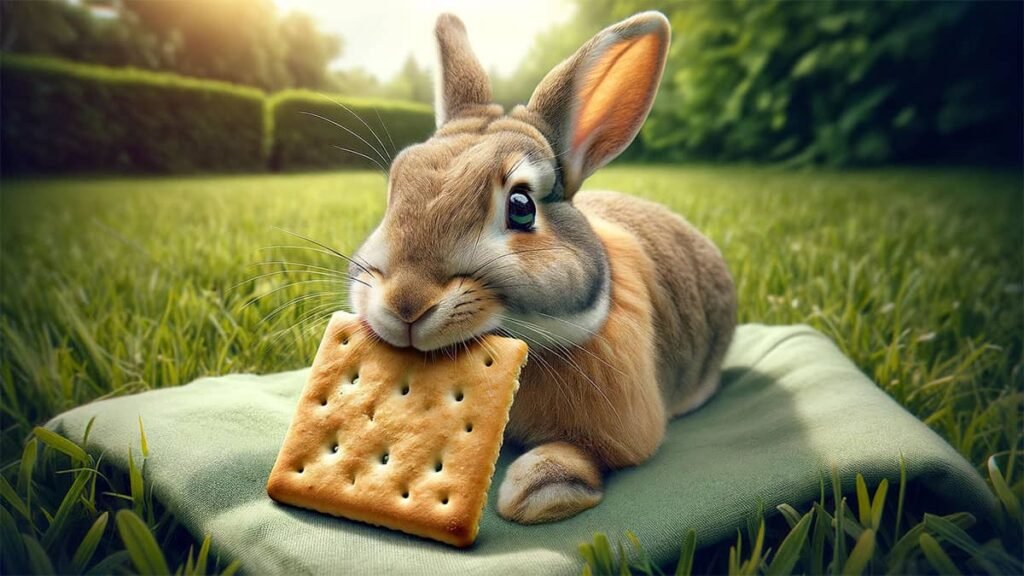
Rabbits should not eat graham crackers. While graham crackers are not immediately toxic to rabbits, they are not suitable for several reasons:
- High Sugar Content: Graham crackers are typically sweetened and contain more sugar than other types of crackers. High sugar intake is harmful to rabbits, leading to obesity, dental problems, and potential gastrointestinal issues.
- Low Fiber: Rabbits need a diet that is high in fiber, primarily from hay, for proper digestive function. Graham crackers, like most processed human foods, have very low fiber content, which is inadequate for a rabbit’s digestive health.
- Nutritional Imbalance: Feeding rabbits human snacks like graham crackers can lead to a nutritional imbalance. Rabbits require a specific balance of nutrients found in their natural diet of hay, fresh vegetables, and a limited amount of fruits.
- Potential for Digestive Distress: Since rabbits have sensitive digestive systems, introducing unfamiliar, processed foods like graham crackers can cause digestive upset, including diarrhea or gastrointestinal stasis.
- Unnecessary Additives: Graham crackers often contain additives, preservatives, and flavorings that are unsuitable for rabbits and can harm their health.
In summary, it’s best to avoid feeding graham crackers to rabbits. Instead, provide them with a diet that meets their specific nutritional needs for optimal health and well-being. This diet primarily includes high-quality hay, fresh vegetables, and a small amount of rabbit-safe fruits.
Can Rabbits Eat Goldfish Crackers?

Rabbits should not eat Goldfish crackers or similar processed snacks. These crackers are designed for human consumption and do not meet the dietary needs of rabbits. Here are a few reasons why Goldfish crackers are not suitable for rabbits:
- High Salt and Fat Content: Goldfish crackers contain higher salt and fats, which are unhealthy for rabbits. Excess salt can lead to dehydration and urinary tract issues, while high fat can contribute to obesity and other health problems.
- Lack of Fiber: Rabbits require a high-fiber diet, primarily from hay, for their digestive health. Processed snacks like Goldfish crackers are low in fiber, which can disrupt a rabbit’s digestive system.
- Added Flavors and Preservatives: Goldfish crackers often contain artificial flavors, colors, and preservatives, which are not appropriate for rabbits and can be harmful to their health.
- Nutritional Imbalance: Feeding rabbits human snacks can lead to a nutritional imbalance. Rabbits need specific nutrients in their natural diet: hay, fresh vegetables, and limited fruits.
- Risk of Gastrointestinal Problems: Rabbits have sensitive digestive systems, and introducing unfamiliar, processed foods like Goldfish crackers can cause digestive upset.
Given these considerations, it’s best to avoid feeding Goldfish crackers to rabbits. Instead, focus on providing a diet that fulfills their specific nutritional requirements for optimal health and well-being. This includes high-quality hay, fresh vegetables, and a small amount of rabbit-safe fruits.
Can Rabbits Eat Animal Crackers?

Feeding animal crackers to rabbits is not recommended. While these crackers are not toxic, they are not suitable for a rabbit’s diet due to several reasons:
- High Sugar Content: Animal crackers typically contain sugar and other sweeteners. High sugar intake is not suitable for rabbits and can lead to obesity, dental problems, and digestive issues.
- Low Fiber: Rabbits require a diet high in fiber for proper digestion. Animal crackers, being processed human snacks, have very little fiber, which is inadequate for a rabbit’s digestive health.
- Nutritional Imbalance: Rabbits need a specific balance of nutrients found in hay, fresh vegetables, and a limited amount of fruits. Animal crackers do not meet these nutritional needs and can cause an imbalance in their diet.
- Added Ingredients: Animal crackers often contain added flavors, preservatives, and coloring agents, none of which are beneficial for rabbits and may even be harmful to their sensitive digestive systems.
- Potential Digestive Issues: Since rabbits have a sensitive digestive system, introducing unfamiliar, processed foods like animal crackers can cause digestive upset.
Considering these factors, it’s best to stick to a rabbit’s natural diet, which includes high-quality hay, fresh vegetables, and a controlled amount of rabbit-safe fruits. Treats for rabbits should be healthy and appropriate for their dietary needs, rather than human snack foods.
Potential Health Risks of Feeding Crackers to Rabbits
- High in Carbohydrates and Fats: Crackers can be high in carbohydrates and fats, which are unsuitable for a rabbit’s digestive system. Excess carbs and fats can lead to obesity and gastrointestinal issues in rabbits.
- Lack of Fiber: Unlike hay and vegetables, crackers lack the necessary fiber essential for a rabbit’s digestion. A low-fiber diet can lead to severe digestive problems, including GI stasis.
- Added Salt and Sugar: Many crackers contain added salt and sugar, which harm rabbits. Excessive salt can lead to dehydration and urinary tract problems, while sugar can cause dental issues and diabetes.
Safe Treats for Rabbits
Instead of crackers, safe treats for rabbits include small amounts of fresh vegetables like bell peppers, broccoli, and leafy greens. Fruits such as apples and berries can be given sparingly due to their high sugar content.
FAQs – Frequently Asked Questions
What should I feed my rabbit daily?
Rabbits should have unlimited access to hay, a small portion of high-quality pellets, and fresh vegetables.
Can rabbits eat bread or other baked goods?
Like crackers, bread and similar baked goods are unsuitable for rabbits due to their high carbohydrate content and lack of fiber.
How often can I give my rabbit treats?
Treats should be given sparingly, making up a very small portion of their overall diet.
Are there any human foods safe for rabbits?
While some human foods, like certain vegetables and fruits, are safe in moderation, it’s best to stick to foods specifically recommended for rabbits and bunnies.
Conclusion
Crackers are not recommended for rabbits due to their high carbohydrate and fat content, lack of fiber, and added salt and sugar. It’s crucial to adhere to a rabbit’s dietary needs to maintain their health and well-being.
Remember, when in doubt about your rabbit’s diet, consult with a veterinarian or a rabbit nutrition expert for advice tailored to your pet’s specific needs.
Understanding and respecting a rabbit’s dietary needs can ensure your furry friend stays healthy and happy. Natural, high-fiber foods, not processed snacks like crackers, are the key to a rabbit’s diet.